什么是Web3开发? 随着科技的飞速发展,网络世界也不断进化。从最早的Web1.0静态网页,到Web2.0的社交媒体、用户生成...
在过去的几十年中,互联网已经彻底改变了我们的生活、工作和交流方式。从最初的Web 1.0静态网站,到Web 2.0社交平台的崛起,互联网的发展迅猛。然而,随着数据隐私、安全性和去中心化的需求日益增加,Web3的概念应运而生,成为这场数字革命的核心。
Web3代表了第三代互联网,它以区块链技术为核心,旨在建立一个更加去中心化、透明和用户主导的网络环境。这个新时代将改变我们在线互动的方式,也将深刻影响各个行业。
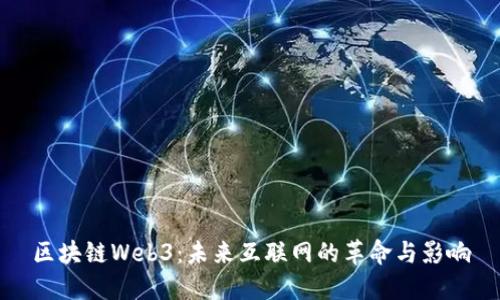
区块链是一种分布式账本技术,它通过多个节点共同维护数据的完整性和透明性。每一笔交易都会在网络上进行验证,并在多个地方保存,从而大大降低了数据篡改的风险。区块链技术的核心特点包括:
1. **去中心化**:传统的互联网服务常常依赖于中心化的服务器和组织,而区块链通过网络中的多个节点共同维护系统的运行,使信息的控制权不再掌握在少数企业手中。
2. **透明性**:所有的交易记录都可以被网络中任何人查看,这为数据的审计和监督提供了可能。
3. **不可篡改性**:一旦数据被记录在区块链上,后续的修改几乎不可能实现,这为各类交易提供了安全保障。
这些基本特性为Web3的实现奠定了基础。
Web3的崛起将对个人用户的在线体验产生深远影响。以下是几个重要方面:
1. **数据隐私控制**:在Web3中,用户将拥有更多对自身数据的控制权。过去,互联网公司通过用户数据获取盈利,而Web3环境下的用户可以选择匿名或限制数据的共享,以保护个人隐私。
2. **经济参与**:Web3让个人用户可以直接通过参与平台生态获得经济收益。例如,通过参与去中心化金融(DeFi)项目,用户可以获得利息或收益,无需依赖传统金融机构。
3. **创造与财富**:通过NFT(非同质化代币),用户可以创造、交易和拥有数字艺术作品,改变了艺术产业的传统模式,赋予创作者更大的经济价值。
4. **去中心化治理**:许多Web3项目采用DAO(去中心化自治组织)形式,用户可以参与决策,直接影响项目的发展方向和管理,提高了用户的参与感。
Web3不仅改变了用户的体验,也对企业的运作模式带来了革命性的影响:
1. **降低中介成本**:由于去中心化的特性,企业不再需要依赖中介或第三方服务,有助于减少成本,提高效率。
2. **创新商业模式**:通过区块链技术,企业可以探索新的商业模式,如Token经济,允许用户参与股权、投票和回报的分享。
3. **提升信任度**:区块链的透明性和不可篡改性使得企业在客户面前建立更多的信任,这对于品牌形象和消费者忠诚度至关重要。
4. **全球化的市场机会**:Web3平台是全球性的,企业可以掌握一个更广阔的用户基础,从而实现全球化的商业机会,同时也促进了技术的传播与应用。
Web3的影响不仅限于个人与企业,还可能对社会的各个方面产生深远的影响:
1. **促进金融包容性**:区块链技术能够为未被服务的群体提供金融服务,使更多人能够参与全球经济。
2. **赋权与去中心化治理**:Web3推动社会的去中心化治理,赋予普通用户在各类项目和组织中更多的权力,减少集中化带来的不平等。
3. **环境可持续性**:一些Web3项目专注于绿色技术和可持续发展,通过区块链技术追踪供应链的可持续性,推动环保事业的发展。
4. **改变工作模式**:Web3的发展可能会引导更多的远程工作和灵活工作的机会,以适应去中心化的网络运行模式。
The rise of Web3 marks a potential shift in how we interact with the internet compared to traditional models. The fundamental differences can be observed in multiple aspects, including decentralization, user ownership, and security.
1. **Decentralization**: Unlike Web2, where centralized entities control vast amounts of data, Web3 distributes control among users. This shift reduces the power held by tech giants and creates a more equitable digital landscape.
2. **Ownership and Control**: In the Web2 era, users generate content but often relinquish ownership and rights to this content, allowing platforms to monetize their data. Conversely, Web3 empowers users to maintain ownership of their digital assets, including personal data and media through blockchain technology.
3. **Privacy and Security**: Web3 prioritizes user privacy and introduces tools for secure transactions without relying on intermediaries. Encryption and blockchain protect user identities and financial transactions from breaches prevalent in Web2 environments.
4. **Interactivity and Engagement**: Web3 encourages user collaboration through decentralized applications (dApps), allowing users to engage actively in shaping platforms, decisions, and governance.
This fundamental divergence underscores the transformation from a user passive model to one where users are active participants wielding control.
Web3 has the potential to revolutionize the financial landscape through the advent of decentralized finance (DeFi) and blockchain applications. DeFi is a digital ecosystem that utilizes blockchain technology to recreate traditional financial systems in a decentralized manner:
1. **Accessibility**: DeFi platforms offer financial services without traditional banking restrictions. Users globally can access lending, insurance, and investment tools with only an internet connection.
2. **Reduced Fees**: By eliminating intermediaries, DeFi significantly lowers transaction costs. Users can trade, loan, and invest without hefty fees associated with conventional financial institutions.
3. **Transparency**: Each transaction is recorded on the blockchain, allowing users to verify and trace all activities. This transparency builds trust and accountability in transactions.
4. **Innovative Financial Products**: DeFi introduces various mechanisms like liquidity pools, yield farming, and token swaps, allowing users to diversify investments and increase returns.
5. **Risks and Challenges**: Despite the promising advantages, DeFi also faces risks, including smart contract vulnerabilities and regulatory uncertainties. Users must carefully navigate these challenges to realize the full potential of Web3 in finance.
Web3’s impact on education can be profound, leading to a more personalized, decentralized, and transparent learning environment:
1. **Personalized Learning Experiences**: Utilizing blockchain technology, educators can create tailored courses that cater to individual needs, accompanied by secure records verifying learner achievements or certifications.
2. **Decentralized Learning Platforms**: Web3 promotes alternative learning platforms that operate outside traditional educational institutions. These platforms can offer innovative courses or skills training using decentralized technologies.
3. **Enhanced Credentialing**: The use of blockchain allows for secure and fraud-proof credentialing. Employers can easily verify academic achievements, while students have verifiable proof of their skills and competencies accessible in a decentralized manner.
4. **Smart Contracts for Educational Institutions**: Institutions can implement smart contracts to automate administrative processes, fee structures, and student agreements, reducing overhead and improving efficiency.
5. **Challenges in Adoption**: While the potential is significant, resistance to change, infrastructure limitations, and require regulatory adaptations can hinder the rapid shift towards Web3-based educational systems.
Web3 has the potential to incite significant changes in societal structures and power dynamics, promoting equality and empowerment:
1. **Power Shift**: By decentralizing authority, Web3 diminishes the control held by state and corporate entities. Decentralization leads to a more balanced distribution of power among individuals in various sectors.
2. **Increased Participation**: Through decentralized governance mechanisms, like DAOs (Decentralized Autonomous Organizations), users participate in decision-making, influencing the direction of projects and initiatives.
3. **Economic Opportunities**: Web3 technology opens new pathways for economic engagement by enabling everyone from creatives to entrepreneurs to monetize and profit from their contributions in various ways, irrespective of their traditional socio-economic background.
4. **Social Movements and Advocacy**: The transparency offered by Web3 can facilitate social movements by allowing activists to mobilize, share resources, and advocate for change without fear of centralized suppression.
5. **Cultural Shift**: With Web3 fostering a sense of community and collaboration, cultural attitudes towards authority, governance, and collaboration may evolve, embracing shared participation over hierarchical structures.
Web3正处于全球科技讨论的前沿,随着其技术的不断发展,所带来的影响将会更加显著。虽然当前存在许多挑战,如技术标准的不统一、监管框架的缺失等,但Web3的发展潜力是不可忽视的。它不仅将改变个人的网络体验,还将重新定义企业的运作方式和社会的治理结构。
在未来,Web3可能成为一个更加开放、透明和公正的互联网,真正实现用户的拥有权,提高社会的整体福利。尽管路途艰辛,我们仍可期待Web3为我们的生活带来划时代的变革。

什么是Web3开发? 随着科技的飞速发展,网络世界也不断进化。从最早的Web1.0静态网页,到Web2.0的社交媒体、用户生成...
在数字货币的世界中,安全和便捷的资产管理工具至关重要。比特派钱包以其用户友好的界面和强大的功能,成为越...
引言 在数字货币的世界中,USDT(美元稳定币)因其稳定性而受到广泛欢迎。为了更好地管理和保护这些数字资产,许...

引言 在数字货币的世界里,冷钱包作为一种安全存储方式,越来越受到投资者的青睐。然而,随之而来的也有一些问...